

How did you first get involved in surrogacy?
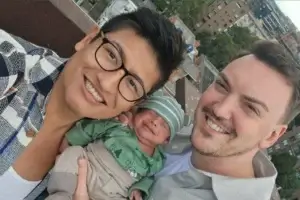
My husband already had two children, and we began discussing having children of our own through surrogacy. At first, I was unsure and spent quite a bit of time investigating the options, which weren’t great in Denmark. After some years, we moved to the US, and it felt like the right time, so we went ahead with the process. Today, we are proud fathers of three wonderful children.
What made you realize surrogacy laws in Denmark needed to change?
When we returned to Denmark, we hit a wall of problems. The most pressing was that our children were not considered eligible for Danish citizenship. Legally, they were only recognized as nationals of the surrogate mother. At one point, the Danish state even considered deporting them.
Surrogacy-born children also lacked basic rights, they couldn’t attend nursery, and parents wweren’t entitled to maternity and parental leave. As a non-biological parent you also had to wait 2.5 years before applying for adoption, which left families in limbo during the child’s early years.
What did you do to change your situation?
Eventually, I decided to go public, which brought attention from both journalists and politicians. I realized there were many others who were involuntarily childless and would face the same challenges if they pursued surrogacy, or worse, would avoid surrogacy altogether.
My husband and I began holding weekly meetings in our home to help and advise people. This grew into an online forum and the founding of the DARE organization, which campaigns for equal rights for the involuntary childless in Denmark. Our main focus is surrogacy, but we also campaign for transgender reproductive rights, among other issues.
What has most recently changed in Denmark?
A lot has happened in the 10 years I’ve been actively campaigning. Children can now receive the citizenship of their biological father, and all intended parents are entitled to maternity and parental leave. Most significantly, under new legislation, the surrogate can now sign a waiver immediately after birth, formally giving up custody. This allows the non-biological parent to be recognized straight away as an equal parent with the same rights and support.
This was a huge win for surrogate-born children and their families. It means they can focus on family life in those vital early years instead of navigating years of complex regulations and uncertainty.
What still needs to change?
The Principle of Nearness remains in Denmark, which means intended parents must know the surrogate personally before surrogacy can take place. This was designed to prevent the exploitation of women, but I believe it can have the opposite affect as without ethical agencies, women have fewer rights and are far more vulnerable to exploitation.
At agencies like Tammuz, egg donors and surrogates are carefully assessed both medically and psychologically. They participate willingly, receive ongoing support throughout the process, and are compensated fairly. Intended parents also receive support and certain guarantees if the pregnancy does not progress as hoped.
What do you tell people who don’t understand why surrogacy law reform matters?
Fertility treatment is still a taboo subject for many, but it needs to be brought out into the open. The involuntarily childless need a voice. Suicide is twice as likely among women who cannot have children compared to those who can.
And it’s not only women and couples. We now see more single men choosing surrogacy rather than waiting for the ”perfect partner”. Also, many gay couples are starting their families at a younger age, late 20s instead of mid-30s. Society is changing, and the law needs to change with it.
Finaly thoughts…
Personally, I believe surrogacy should be state-funded in the same way that other fertility treatments are. Until then, ethical surrogacy agencies are the best option, and for that reason the Principle of Nearness should be revoked in Denmark. Nobody should feel threatened by the law for pursuing parenthood.