Français
  Português
  עברית
עברית  Español
  Svenska
  日本語
日本語  繁體中文
繁體中文  Denmark
 Norway
 German




By: Dr. Yariv Gidoni, Specialist in Obstetrics, Gynecology, and Fertility
The field of fertility has undergone significant advancements in recent decades, with innovations that have transformed the lives of countless families worldwide. From the development of ovarian stimulation treatments in the 1960s to the birth of the first IVF baby in 1978, and the introduction of advanced techniques such as egg freezing and fertility preservation—parenthood has become an achievable reality for more people than ever before.
One of the most revolutionary areas of advancement today is genetic engineering, particularly the CRISPR technology—a groundbreaking gene-editing technique that brings new hope to many couples, including those in the LGBTQ+ community.
Having worked in the field of fertility for over 20 years and contributed to the development of In Vitro Maturation (IVM)—a process in which eggs mature outside the body in a lab—as well as gaining extensive experience in fertility preservation for cancer patients, I am excited to share the latest breakthrough in genetic engineering that offers new possibilities for aspiring parents.
What is CRISPR, and How is it Changing the Game?
CRISPR is an advanced gene-editing technology that acts like “molecular scissors,” allowing precise modifications to DNA. Originally developed for medical purposes, such as treating genetic diseases, CRISPR is now being explored for its potential applications in fertility treatments.
How Could This Impact the LGBTQ+ Community?
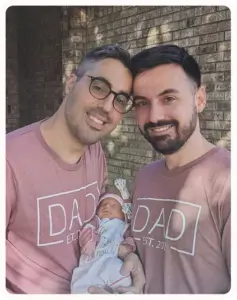
For LGBTQ+ families, CRISPR could revolutionize the way same-sex couples conceive biological children. In the future, this technology may enable the creation of embryos using skin cells or reproductive cells from both partners of the same sex, allowing them to have children with shared genetic material. Additionally, CRISPR could help prevent genetic diseases in embryos and enhance the success rates of fertility treatments.
Ethical and Scientific Challenges
As with any groundbreaking medical advancement, CRISPR raises complex ethical and scientific questions. Gene editing must be executed with extreme precision to avoid unintended consequences. Moreover, there is an ongoing ethical debate: Should we “design” embryos? How can we ensure responsible and fair use of this technology? These are critical questions that require careful consideration by scientists, medical professionals, and bioethics experts.
Looking Ahead
The future is already here—early clinical trials using gene-editing technologies are showing promising results. For families facing genetic conditions that previously necessitated egg or sperm donation, CRISPR offers new hope. More broadly, for the LGBTQ+ community, this technology could open the door to a new world of possibilities for creating genetically related families.
As science continues to advance at an unprecedented pace, there is no doubt that the coming years will bring exciting innovations, enabling more individuals, couples, and families to fulfill their dream of parenthood.