Français
  Português
  עברית
עברית  Español
  Svenska
  日本語
日本語  繁體中文
繁體中文  Denmark
 Norway
 German


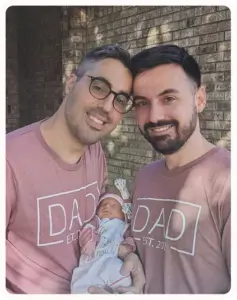


Selecting an egg donor is one of the most pivotal and emotionally complex decisions in the surrogacy process. For same-sex couples, single parents, or heterosexual couples experiencing infertility, it’s not merely a technical step—it’s a decision that can influence family identity, the sense of parenthood, and in some cases, the child’s future self-perception.
In a world where advanced fertility treatments open doors to parenthood through various paths, it’s crucial to approach the donor selection process with awareness, compassion, and accurate information.
Key Considerations When Choosing an Egg Donor
1. Medical and Genetic Background
Medical evaluation is the foundation of any egg donation process. It is vital to ensure the donor has undergone a comprehensive screening process, including:
- Personal and family medical history, with attention to hereditary genetic conditions
- Complete serological testing (e.g., HIV, Hepatitis, CMV)
- Fertility assessment, such as ovarian reserve and egg quality (AMH, AFC)
This process should be guided by a professional fertility and genetics team. In certain cases, genetic counseling is also highly recommended.
2. Physical and Ethnic Characteristics
Many intended parents seek donors with visual resemblance to the non-biological parent—eye color, skin tone, facial structure, or ethnic background.
Still, it is important to recognize that genetics is a complex and unpredictable science. Focusing solely on physical traits may lead to unrealistic expectations.
3. Intelligence, Education, and Personality
Egg donors are usually asked to complete detailed personal profiles, including information on education, lifestyle, interests, and psychological attributes. While these factors may help some intended parents feel a stronger connection to the donor, there’s no guaranteed correlation between the donor’s personality and the future child’s traits.
4. Anonymous or Known Donor
In some regions, intended parents can choose between an anonymous donor or a known donor who is open to future contact with the child.
Studies in developmental psychology show that children born through egg donation may develop curiosity about their biological origins. Having the option of future contact may provide emotional value later in life—for both the child and the family.
What Can You Let Go Of?
📌 The “Perfect Profile” – There’s no such thing as a perfect donor. Overanalyzing or chasing an ideal can become emotionally exhausting. In most cases, differences between high-quality donors have little to no impact on pregnancy outcomes or the child’s future development.
📌 Cultural or Personal Fantasies – It’s important to differentiate between fantasy and clinical reality. The real criteria to focus on are health, availability, medical compatibility, and your comfort level with the decision.
Professional Support – Your Key to a Confident Decision
Choosing an egg donor is not something you need to navigate alone. A reputable agency will offer multidisciplinary support—medical, psychological, legal—to provide clarity, ease concerns, and ensure your decisions are guided by knowledge rather than stress or uncertainty.
In Summary
Choosing an egg donor is an emotional and meaningful step in the surrogacy process. With professional guidance, reliable information, and attention to your personal values and emotions, this process can be smooth and empowering.
What matters most is building a strong, secure, and loving foundation for the family you’re creating.
Need personalized guidance in choosing an egg donor?
Our experienced team is here to walk with you through every step of your journey.